Cuisinart Automatic Grind and Brew: A Comprehensive Guide

This guide offers detailed instructions for Cuisinart automatic grind and brew coffeemakers, encompassing models like DGB-300, DGB-600, and DGB-900.
It’s a resource for setup, operation, cleaning, and troubleshooting, based on available instruction booklets and manuals from sources like ManualsLib and user documentation.
Understanding Your Cuisinart Grind and Brew Coffeemaker
Cuisinart’s automatic grind and brew coffeemakers represent a convenient all-in-one solution for coffee enthusiasts. These machines, including popular models like the DGB-300, DGB-600, DGB-625C, and DGB-900, integrate a burr grinder with a traditional drip coffee brewer. This eliminates the need for a separate grinder, streamlining the coffee-making process.
Understanding the core components is crucial. The bean hopper stores whole coffee beans, while the burr grinder consistently grinds them just before brewing. A water reservoir provides the necessary water, and the brew basket holds the filter and ground coffee. These coffeemakers often feature programmable settings for auto-brew, grind control, and brew strength, offering customization to suit individual preferences. Referencing the instruction booklet specific to your model is essential for optimal performance and safety.
Model Variations: DGB-300, DGB-600, DGB-625C, DGB-900
Cuisinart offers several variations within its Grind and Brew line, each with slightly different features. The DGB-300 is an earlier model, providing basic grind and brew functionality. The DGB-600 and DGB-600C (Thermal) feature a thermal carafe for extended temperature retention. The DGB-625C series builds upon these features, often including enhanced programmability and a sleek design.
The DGB-900 represents a premium option, typically incorporating a more robust burr grinder and advanced settings for precise control over grind size and brew strength. While core functionality remains consistent across models – grinding beans and brewing coffee automatically – specific features and control panel layouts vary. Always consult the instruction manual corresponding to your specific model number for accurate operating instructions and safety guidelines. Manuals are readily available online via resources like ManualsLib.
Key Features and Benefits
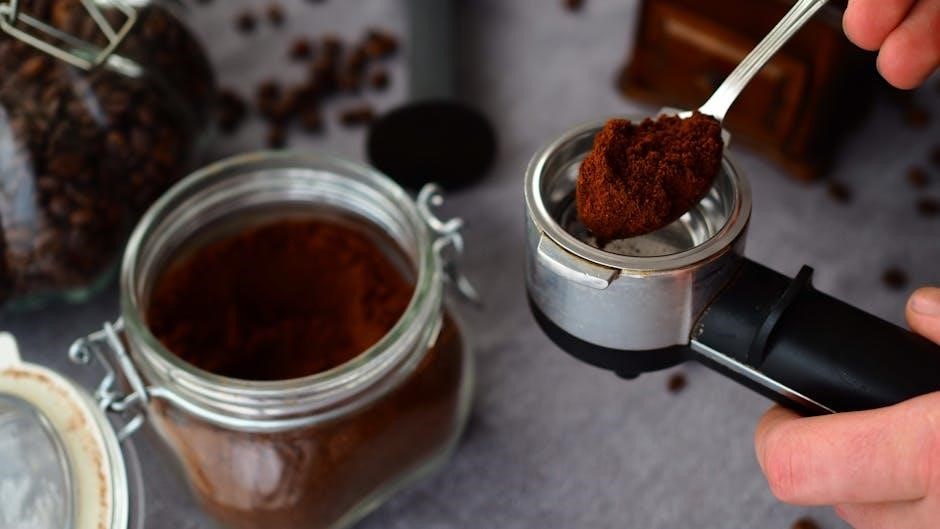
Cuisinart’s Grind and Brew coffeemakers streamline the coffee-making process, offering the convenience of grinding whole beans immediately before brewing. This results in a fresher, more flavorful cup of coffee compared to pre-ground options. Key features include an automatic grind function, programmable settings for auto-brew, and adjustable grind control to customize coffee strength.
Many models boast a burr grinder, known for consistent grind size, and a brew pause feature allowing you to interrupt the brewing cycle for a quick cup. Thermal carafes maintain coffee temperature for extended periods, while the self-cleaning function simplifies maintenance. Benefits include time savings, consistent coffee quality, and the ability to enjoy freshly ground coffee with minimal effort. Refer to your model’s instruction manual for a complete feature list.

Setting Up Your Cuisinart Grind and Brew
Proper setup ensures optimal performance. Begin by reviewing the instruction booklet, then prepare the coffeemaker for its initial use, filling the water reservoir and bean hopper.
Initial Setup: Before First Use
Before brewing your first pot, it’s crucial to properly prepare your Cuisinart Grind and Brew coffeemaker. Begin by removing all packaging materials and ensuring all removable parts – the carafe, filter basket, bean hopper, and water reservoir – are thoroughly washed with warm, soapy water. Rinse these components completely and dry them before reassembling.
Run a full brewing cycle with only water, without any coffee grounds, to cleanse the system of any potential manufacturing residue. This initial cycle helps to prime the grinder and ensures a fresh, clean taste for your first brewed coffee. Refer to your specific model’s instruction booklet (DGB-300, DGB-600, DGB-625C, or DGB-900) for detailed guidance, as slight variations may exist between models. This step is vital for optimal performance and flavor.
Filling the Bean Hopper
The bean hopper, located on top of the coffeemaker, is designed to hold your whole coffee beans. Ensure the unit is unplugged before filling. Lift the lid of the hopper and add your desired amount of beans – the capacity varies slightly between models like the DGB-300, DGB-600, and DGB-900.
Avoid overfilling; exceeding the maximum fill line can cause grinding issues. Use fresh, high-quality whole beans for the best flavor. Do not add pre-ground coffee to the hopper, as this will damage the burr grinder. The coffeemaker automatically grinds the beans just before brewing, ensuring maximum freshness. Regularly check the hopper for any bean buildup and clean as needed to maintain optimal grinding performance, referencing your model’s instruction manual for specifics.
Adding Water to the Reservoir
The water reservoir is typically located at the rear of the Cuisinart Grind and Brew coffeemaker. Remove the reservoir from the unit – it’s usually detachable for easy filling. Use fresh, filtered water for the best tasting coffee. Fill the reservoir to the desired level, noting the cup markings indicated on the side.
These markings correspond to the number of cups you wish to brew. Do not overfill beyond the maximum fill line. Once filled, securely reattach the reservoir to the coffeemaker, ensuring it’s properly seated. The coffeemaker will not operate if the reservoir isn’t correctly in place. Refer to your specific model’s manual (DGB-300, DGB-600, etc.) for precise reservoir capacity details.
Operating Instructions
To operate your Cuisinart Grind and Brew, follow the manual’s guidance on programming auto-brew, adjusting grind control for strength, and selecting brew options.
Programming the Auto-Brew Function
The Auto-Brew function allows you to wake up to freshly brewed coffee. Begin by ensuring the clock is correctly set, as this is fundamental to the auto-brew process. Press the “PROG” button, and the display will likely indicate “PROG” or a similar prompt. Then, input the desired brew start time using the “HOUR” and “MINUTE” buttons.
Next, select your preferred brew strength – regular or bold – before finalizing the programming. Confirm your settings by pressing “PROG” again. The indicator light associated with the auto-brew function will illuminate, confirming it’s active. Remember to have sufficient water and coffee beans in the reservoir and hopper, respectively, for the programmed brew. To deactivate, simply press the “PROG” button once more, extinguishing the indicator light. Refer to your specific model’s manual for detailed steps, as slight variations may exist.
Grind Control Settings: Adjusting Coffee Strength
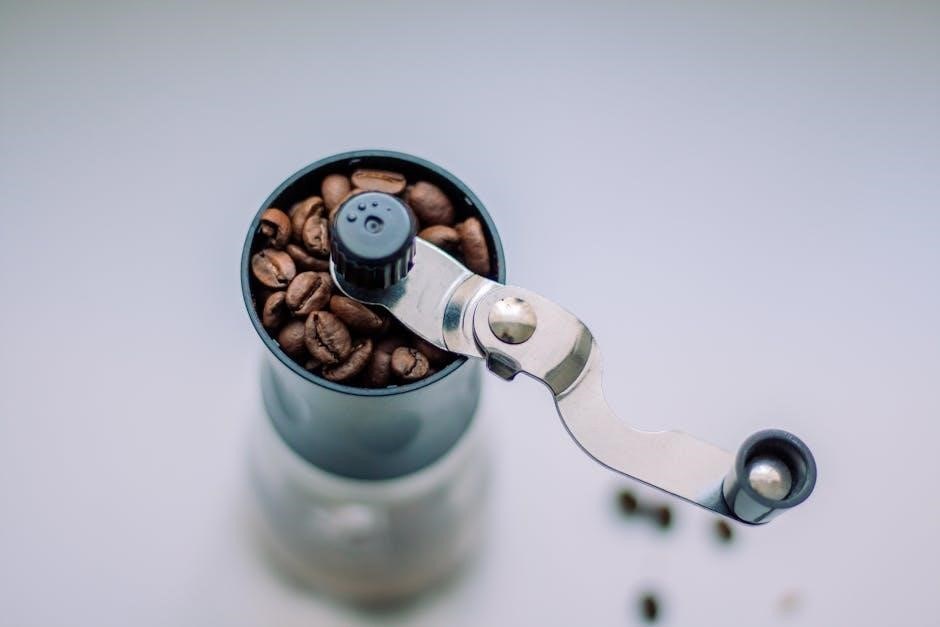
Cuisinart Grind and Brew coffeemakers offer grind control to customize coffee strength. Typically, a control knob or button allows you to select from various grind settings, ranging from coarse to fine. A coarser grind results in a milder, less intense flavor, while a finer grind produces a bolder, more robust brew.
Experimentation is key to finding your ideal setting. Start with a medium grind and adjust incrementally based on your preference. If the coffee tastes weak, switch to a finer grind. Conversely, if it’s too bitter, opt for a coarser setting. Some models also feature a “bold” setting which automatically adjusts the grind and brew time for a stronger cup. Remember that bean type also influences strength, so adjust accordingly. Consult your model’s manual for specific grind setting recommendations.
Brewing Options: Regular vs. Bold
Cuisinart Grind and Brew coffeemakers commonly provide “Regular” and “Bold” brewing options to cater to diverse taste preferences. The “Regular” setting utilizes a standard brew time and grind size, delivering a balanced and classic coffee flavor. Selecting the “Bold” option, however, initiates a slower brewing process and often employs a finer grind.
This extended brewing time and increased coffee-to-water contact result in a richer, more intense flavor profile. The “Bold” setting is particularly well-suited for darker roast beans or for those who prefer a stronger, more robust cup of coffee. Some models may automatically adjust grind size alongside the brew time when “Bold” is selected. Refer to your specific model’s instruction manual for detailed information on how these settings impact the final brew.
Cleaning and Maintenance
Regular cleaning ensures optimal performance and longevity of your Cuisinart Grind and Brew. Daily procedures, descaling, and grind chamber cleaning are essential, as detailed in the instruction manual.
Daily Cleaning Procedures
Consistent daily cleaning is crucial for maintaining the quality of your brewed coffee and extending the lifespan of your Cuisinart Grind and Brew coffeemaker. After each use, always discard used coffee grounds from the filter basket. The filter basket and carafe are typically dishwasher-safe (top rack recommended), or can be washed with warm, soapy water.
Wipe down the exterior of the coffeemaker with a damp cloth to remove any spills or coffee residue. Ensure the brew basket area is free from grounds. Regularly check the water reservoir for any mineral buildup and wipe clean. The instruction booklet emphasizes the importance of these simple steps to prevent clogging and ensure optimal brewing performance. Ignoring these procedures can lead to diminished coffee flavor and potential malfunctions.
Descaling Your Cuisinart Coffeemaker
Regular descaling is vital to remove mineral buildup from your Cuisinart Grind and Brew, ensuring optimal performance and coffee flavor. The frequency depends on water hardness, but generally, every 3-6 months is recommended. Use a commercial descaling solution specifically designed for coffee makers, or a mixture of white vinegar and water (follow product/manual instructions).
Pour the descaling solution into the water reservoir and run a full brewing cycle without coffee grounds. Afterwards, run two to three cycles with fresh water to thoroughly rinse the system. The instruction booklet details this process, emphasizing the importance of complete rinsing to avoid any residual taste. Ignoring descaling can lead to reduced brewing speed and potential damage to the unit.
Cleaning the Grind Chamber
The grind chamber requires periodic cleaning to remove coffee oils and grounds that can affect flavor and performance. Always unplug the coffeemaker before attempting to clean this area. Remove the grind chamber (refer to your model’s instruction booklet for specific removal instructions). Use a soft brush or cloth to wipe away any visible coffee residue from the burrs and chamber walls.
Avoid using water or detergents directly on the burrs, as this can cause rust or damage. A dry cloth is generally sufficient. Some models may allow for removable burrs for more thorough cleaning; consult your manual. Regular cleaning of the grind chamber contributes to consistent grind quality and extends the life of your Cuisinart coffeemaker.
Troubleshooting Common Issues
This section addresses typical problems like the coffeemaker not powering on, grinder malfunctions, or inconsistent brew strength, referencing the official instruction manuals.
Coffee Maker Not Turning On
If your Cuisinart Grind & Brew coffeemaker fails to power on, several checks are recommended, as detailed in the instruction manual. First, ensure the unit is securely plugged into a functioning electrical outlet. Test the outlet with another appliance to confirm it’s providing power.
Next, verify the power cord isn’t damaged. Inspect it for any visible cuts or fraying. If damage is present, do not use the coffeemaker and contact Cuisinart customer support. Also, confirm the carafe is properly positioned on the warming plate; a safety mechanism prevents operation if the carafe is absent.
Check the control panel for any illuminated indicators, which might suggest a specific issue. If none are lit, and the outlet is confirmed working, the unit may require professional servicing. Refer to the instruction booklet’s safety precautions before attempting any further troubleshooting.
Grinder Not Working
If the grinder isn’t functioning in your Cuisinart Grind & Brew, the instruction manual suggests several troubleshooting steps. First, ensure there are sufficient coffee beans in the hopper; the grinder won’t operate if empty. Check for any obstructions within the bean hopper or grind chamber, such as lodged beans or foreign objects.
Confirm the grind control dial is set to a position other than “Off”. The manual emphasizes that the grinder won’t activate if set to this position. Listen for any unusual noises during operation, which could indicate a mechanical issue.
If the grinder still doesn’t work, try unplugging the coffeemaker for a few minutes and then plugging it back in to reset the system. If the problem persists, consult the instruction booklet’s safety section and contact Cuisinart customer support for assistance.
Coffee Brewing Too Weak or Too Strong
Adjusting coffee strength is a key feature of the Cuisinart Grind & Brew, according to the instruction manual. If your coffee is too weak, try using a finer grind setting. The grind control dial allows you to customize the coarseness of the grounds, impacting extraction. Also, increase the amount of coffee beans added to the hopper for a stronger brew.
Conversely, if the coffee is too strong, select a coarser grind setting and reduce the number of coffee beans used. Experiment with different grind settings and bean quantities to find your preferred strength. The “Bold” brew option, if available on your model, will also produce a stronger cup.
Ensure you’re using fresh, quality coffee beans, as stale beans can result in a weak or bitter taste.
Safety Precautions
Always review the instruction booklet’s safety guidelines before operating your Cuisinart Grind & Brew. Pay close attention to electrical connector safety and avoid unit damage.
Important Safety Instructions
Before using your Cuisinart Automatic Grind and Brew coffeemaker, carefully read all instructions to reduce the risk of fire, electric shock, and injury. Ensure the voltage of your outlet matches the appliance’s rating. Never operate the coffeemaker with a damaged cord or plug, or after it malfunctions; Do not immerse the appliance in water or other liquids.
Close supervision is necessary when the appliance is used near children. Avoid touching hot surfaces; use handles or knobs. Always unplug the coffeemaker from the outlet when not in use and before cleaning. Allow it to cool before disassembling. Do not operate the appliance outdoors. Use only genuine Cuisinart replacement parts. This appliance is for household use only; do not use it for commercial purposes. Follow these instructions diligently for safe operation.
Electrical Connector Safety
To prevent electrical hazards, always ensure the coffeemaker is properly grounded. Inspect the power cord regularly for damage; if damaged, it must be replaced by a qualified technician. Never operate the appliance with an extension cord unless absolutely necessary, and then use a heavy-duty cord suitable for the appliance’s wattage. Avoid running the cord under rugs, near heat sources, or in areas where it can be tripped over.
Always unplug the coffeemaker before cleaning or performing maintenance. Do not insert any object into the electrical connections. If the coffeemaker experiences an electrical malfunction, immediately unplug it and contact Cuisinart customer support. Ensure the outlet is easily accessible for quick disconnection in emergencies. Proper electrical connector safety is crucial for preventing accidents and ensuring the longevity of your appliance.
Avoiding Damage to the Unit
To prolong the life of your Cuisinart Grind and Brew, avoid placing the coffeemaker near sources of heat or moisture. Do not immerse the appliance, cord, or plug in water or other liquids. Always use the designated carafe with the unit; using an incompatible carafe may cause damage. Regularly clean the grind chamber to prevent buildup that could strain the grinder.
Avoid overfilling the bean hopper or water reservoir. Do not attempt to disassemble or repair the coffeemaker yourself; contact Cuisinart for authorized service. Handle the carafe with care to prevent breakage. Proper maintenance and careful handling are essential for preventing damage and ensuring optimal performance of your coffeemaker.