

T56 Transmission Manual: A Comprehensive Guide
For g-Machine lovers‚ the Tremec T56 reigns supreme as the preferred transmission‚ readily available in salvage yards and offering exceptional performance capabilities.
The Tremec T56 transmission has become a cornerstone for performance enthusiasts‚ particularly those dedicated to the classic g-Machine platforms. Its widespread availability‚ often found in salvage yards‚ contributes significantly to its popularity and affordability. This manual aims to provide a comprehensive overview of the T56‚ covering everything from its historical development and various iterations to detailed installation‚ maintenance‚ and performance upgrade procedures.
Originally designed for high-performance applications‚ the T56 offers robust construction and smooth shifting characteristics. It’s a favorite among those seeking a traditional‚ clutch-pedal and H-gate shifting experience. This guide will delve into the specifics of identifying different T56 variants‚ understanding gear ratios‚ and troubleshooting common issues‚ ensuring both novice and experienced mechanics can confidently work with this iconic transmission.
Historical Background of the T56
The T56’s story begins with a demand for a robust‚ high-performance manual transmission capable of handling increased power outputs from evolving engines. Initially‚ it gained prominence as a factory option in vehicles like the Chevrolet Corvette and Pontiac Firebird‚ quickly establishing a reputation for durability and precise shifting. Its presence in these platforms fueled its popularity within the aftermarket performance community.

Over time‚ the T56 became the go-to transmission for g-Machine enthusiasts‚ largely due to its accessibility through salvage yards and its ability to seamlessly integrate into various builds. This widespread adoption fostered a thriving ecosystem of aftermarket support‚ including upgraded components and specialized installation services. The T56’s legacy continues‚ solidifying its place as a legendary transmission.
T56 Transmission Variants: LT1‚ LS1‚ and More
The T56 wasn’t a single entity; it evolved through several variants tailored to different engine families and performance levels. Early iterations‚ often associated with LT1 engines‚ featured specific input shaft lengths and bellhousing patterns. As the LS series engines gained prominence‚ so did corresponding T56 variants designed to optimize compatibility and power handling.
Distinguishing between these versions is crucial for successful installations. LS1-specific T56s‚ for example‚ typically have a different input shaft spline count and overall length compared to their LT1 predecessors. Beyond LT1 and LS1‚ variations exist to accommodate different vehicle platforms and power goals‚ making careful identification essential for a proper fit and function.
Understanding T56 Gear Ratios
The T56’s appeal lies not only in its robustness but also in its versatile gear ratios‚ offering a balance between acceleration and cruising efficiency. Typically‚ a T56 features six forward gears‚ with ratios designed to maximize engine performance across a broad RPM range. The first gear is usually geared relatively low for strong off-the-line acceleration‚ while higher gears provide comfortable highway cruising.
Specific ratios vary slightly depending on the T56 variant (LT1‚ LS1‚ etc.)‚ impacting overall vehicle behavior. Understanding these ratios is vital when considering modifications like rear end gear changes‚ as they directly influence the final drive ratio and overall performance characteristics. Careful consideration ensures optimal power delivery and driving experience.
Identifying a T56 Transmission: Key Features
Recognizing a T56 transmission involves looking for several distinct characteristics. Its robust cast iron case is a primary identifier‚ often found in salvage yards‚ making it a popular choice for upgrades. The T56 boasts a tail housing with a specific length‚ differing between various applications – a crucial detail for compatibility.
Visually‚ the six-speed configuration is a key indicator. Examining the input shaft length and spline count is also essential for proper fitment. Furthermore‚ the transmission’s mounting pattern differs based on the intended vehicle‚ requiring careful verification. Identifying the specific variant (LT1‚ LS1‚ etc.) often involves checking casting numbers located on the case itself.
T56 Transmission Components Breakdown
The Tremec T56’s durability stems from its robust internal components. The main case and housing‚ typically cast iron‚ provide a strong foundation. Within‚ meticulously crafted gear sets and shafts transmit power efficiently across six speeds. Synchronizers‚ crucial for smooth shifting‚ work in tandem with precise shift forks to engage each gear.
The input shaft receives power from the engine‚ while the output shaft delivers it to the driveshaft. These shafts are engineered to withstand significant torque. Bearings support these rotating components‚ minimizing friction and wear. Proper lubrication‚ achieved through internal passages‚ is vital for longevity. Understanding these components is key to successful maintenance and repair.
Main Case and Housing
The T56 transmission’s main case and housing are foundational elements‚ typically constructed from durable cast iron. This robust material provides essential structural integrity‚ protecting the intricate internal components from damage and external contaminants; The housing’s design incorporates mounting points for secure attachment to the vehicle’s chassis‚ ensuring proper alignment and minimizing vibration.
Internal ribbing within the case adds further strength and rigidity. Precise machining ensures accurate alignment of bearings and shafts‚ contributing to smooth and efficient operation. The case also features provisions for the tail housing‚ which supports the output shaft. Careful inspection of the case for cracks or damage is crucial during any assessment or rebuild.
Gear Sets and Shafts
The heart of the T56 transmission lies within its meticulously engineered gear sets and shafts. These components are responsible for translating engine power into varying speeds and torque levels. Typically‚ the T56 utilizes helical-cut gears‚ known for their quieter operation and increased strength compared to straight-cut gears. Gear pairs are carefully matched for optimal meshing and minimal backlash.
Shafts‚ crafted from high-strength alloy steel‚ transmit rotational force between gears. They are supported by precision bearings to reduce friction and ensure smooth rotation. The arrangement of gears on the shafts dictates the transmission’s overall gear ratios. Regular inspection for wear‚ pitting‚ or damage to both gears and shafts is vital for maintaining performance.
Synchronizers and Shift Forks
Smooth and precise gear changes in the T56 transmission are heavily reliant on the functionality of its synchronizers and shift forks. Synchronizers‚ employing friction cones‚ equalize the speeds of the gears before engagement‚ preventing grinding and ensuring a seamless shift. These components wear over time‚ leading to difficulty selecting gears or audible grinding noises.
Shift forks‚ connected to the shift linkage‚ physically move the synchronizers to engage the desired gear. They must be robust enough to withstand considerable force. Proper lubrication is crucial for both synchronizers and shift forks to minimize wear and maintain optimal performance. Inspecting these parts during maintenance reveals potential issues before they escalate into major problems.
Input and Output Shafts
The T56 transmission’s input shaft receives power from the engine’s flywheel and transmits it into the gearbox. Constructed from high-strength alloy steel‚ it must withstand significant torsional stress‚ especially in high-horsepower applications. The output shaft‚ conversely‚ delivers the selected gear’s power to the driveshaft and ultimately‚ the rear wheels.
Both shafts feature carefully machined splines to accommodate the gears. Inspecting these splines for wear or damage is vital during maintenance. Upgraded input and output shafts‚ often made from stronger materials‚ are available for those seeking increased durability and reliability. Proper alignment and support are essential to prevent premature failure of these critical components.
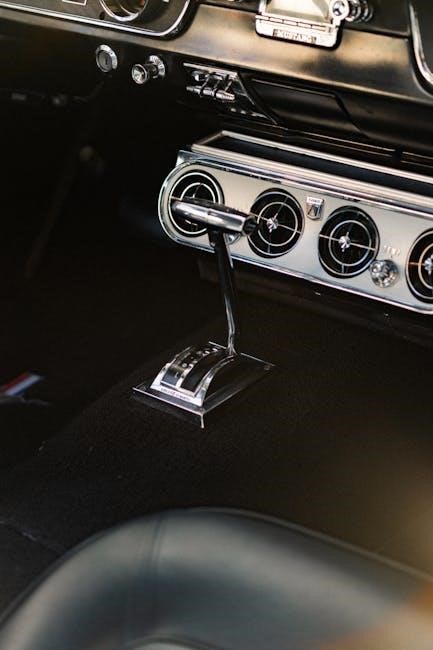
T56 Transmission Installation Guide
Successfully installing a T56 transmission requires meticulous preparation and attention to detail. Begin by verifying vehicle compatibility; not all g-Machines readily accept this transmission without modifications. Thoroughly prepare the vehicle by disconnecting the existing transmission‚ exhaust‚ and related components.
Precise mounting and alignment are crucial for smooth operation and longevity. Ensure the transmission mount aligns perfectly with the chassis. Careful consideration must be given to the clutch and flywheel‚ selecting components matched to the T56’s specifications. Finally‚ anticipate potential driveshaft modifications to accommodate the new transmission’s length.
Vehicle Compatibility and Preparation

Determining vehicle compatibility is the first‚ vital step. While immensely popular‚ the T56 isn’t a direct bolt-in for every g-Machine. Research is paramount; some models necessitate crossmember adjustments or tunnel modifications. Thorough preparation involves a complete removal of the original transmission‚ exhaust system‚ and associated linkages.
Inspect the bellhousing for proper alignment and ensure the pilot bearing is in good condition. Verify the clutch disc and pressure plate are compatible with the T56’s input shaft. A clean workspace and organized parts layout are essential for a smooth‚ efficient installation process‚ minimizing frustration and potential errors.

Mounting and Alignment Procedures
Carefully position the T56 beneath the vehicle‚ aligning the input shaft with the pilot bearing. Support the transmission with a jack to ensure proper height and angle during bolting. Secure the transmission mount to the crossmember‚ verifying it’s snug but not fully tightened until final alignment.

Precise alignment is crucial to prevent premature wear and vibration. Use a straight edge to check the bellhousing face against the engine block‚ adjusting as needed. Once aligned‚ fully tighten all mounting bolts to the manufacturer’s specified torque. Double-check all connections before proceeding to the next installation stage.

Clutch and Flywheel Considerations
When installing a T56‚ selecting the correct clutch and flywheel is paramount for optimal performance and longevity. The T56 typically requires a 10-spline input shaft‚ dictating clutch disc compatibility. A dual-mass flywheel is often recommended to dampen vibrations‚ especially in high-performance applications‚ though a traditional single-mass flywheel can be used.
Ensure the flywheel is properly balanced and torqued to specification. Clutch pressure plate clamping force must match the engine’s torque output. Consider upgrading to a heavy-duty clutch if increased power is anticipated. Proper break-in procedures are vital to prevent glazing and ensure full clutch engagement.
Driveshaft Modifications
Adapting the driveshaft to a T56 transmission often necessitates modifications due to length differences compared to the original transmission. Precise measurements are crucial to ensure proper fitment and avoid vibrations. A driveshaft shortening service is frequently required‚ or a custom driveshaft may need fabrication.
The U-joint angles must be carefully considered to minimize driveline stress. Incorrect angles can lead to premature wear and vibration. Verify the driveshaft’s balance after any modifications. Ensure the slip yoke functions smoothly and is adequately lubricated. A properly modified driveshaft is essential for a reliable and enjoyable driving experience with the T56.
T56 Transmission Maintenance and Troubleshooting
Consistent maintenance is vital for the longevity of your T56 transmission. Regular fluid changes‚ using the manufacturer’s recommended fluid type‚ are paramount. Inspect for leaks around the seals and casing. Addressing minor issues promptly prevents larger‚ more costly repairs.
Common problems include gear noise‚ grinding during shifts‚ and issues with the shift linkage. Diagnosing these requires careful listening and observation. Worn synchronizers often cause grinding. Shift linkage adjustments can resolve imprecise shifting. Proper diagnosis is key to effective troubleshooting and maintaining the T56’s performance.
Fluid Changes and Recommendations
Maintaining proper fluid levels and quality is crucial for T56 transmission health. Fluid changes should occur every 30‚000 miles under normal driving conditions‚ or more frequently with aggressive use. Using the correct fluid is non-negotiable; consult your T56’s documentation for specific recommendations.
Generally‚ a 50/50 mix of GL-4 and GL-5 gear oil is suitable‚ but some variants may require specific formulations. Avoid fluids containing friction modifiers‚ as they can harm the synchronizers. Always fully drain and refill the transmission‚ ensuring no air remains trapped within the system. Regular fluid checks can prevent costly damage.
Common T56 Issues and Symptoms
Several issues can plague the T56 transmission‚ impacting performance and drivability. A common complaint is gear clash‚ often stemming from worn synchronizers or low fluid levels. Grinding noises during shifts indicate potential damage to the gears themselves‚ requiring immediate attention. Difficulty engaging certain gears‚ particularly first or reverse‚ suggests internal wear or linkage problems.
Excessive play in the shifter‚ or a loose feel‚ can point to worn internal components. Leaks around the transmission case signify failing seals. Ignoring these symptoms can lead to catastrophic failure‚ necessitating a complete rebuild or replacement.
Diagnosing Gear Noise and Grinding
Pinpointing the source of gear noise and grinding within a T56 requires a systematic approach. Begin by noting when the noise occurs – during specific shifts‚ in certain gears‚ or constantly. A whine often indicates worn bearings‚ while a harsh grinding suggests damaged gear teeth or synchronizers.
Fluid inspection is crucial; low or contaminated fluid exacerbates noise. Carefully listen to the transmission while someone else shifts through the gears. Isolating the noise to a specific gear narrows down the problem area. Internal inspection‚ often requiring transmission removal‚ is necessary for definitive diagnosis and repair.
Addressing Shift Linkage Problems
Precise shifting is vital for T56 performance‚ and linkage issues are a common culprit for sloppy engagement. Begin by inspecting all linkage components – the shifter itself‚ the shift rod(s)‚ and their mounting points – for wear‚ looseness‚ or damage. Ensure all connections are secure and properly lubricated.
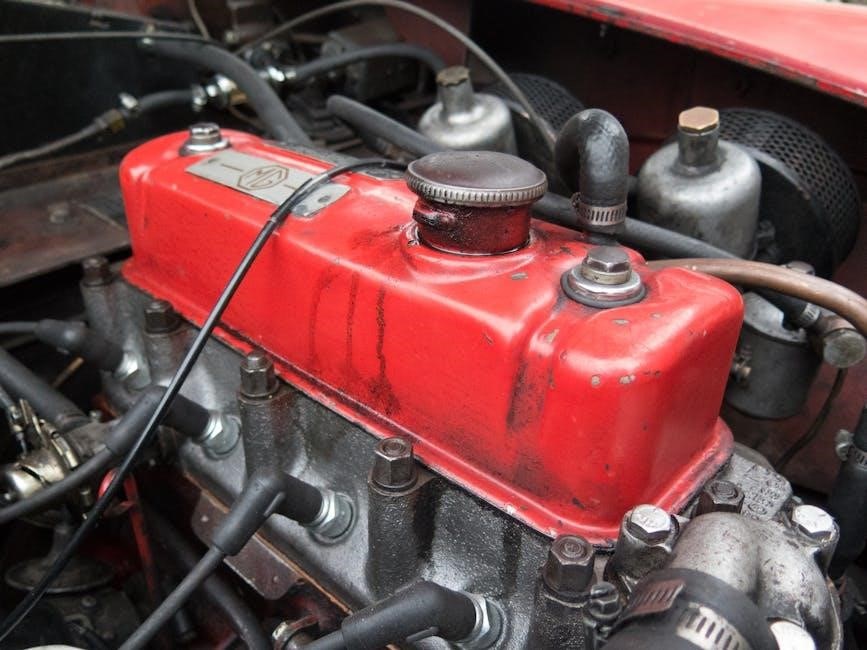
Adjustments are often necessary to eliminate excessive play or binding. Incorrect adjustment can lead to missed shifts or difficulty selecting gears. Consider upgrading to a short-throw shifter for improved feel and precision. Thoroughly check for worn bushings‚ as they significantly impact linkage accuracy and contribute to unwanted noise.
T56 Transmission Performance Upgrades
Enhancing the T56’s capabilities involves several key upgrades for improved driving experience and durability. A short-throw shifter dramatically reduces shift travel‚ providing quicker‚ more precise gear changes‚ appealing to enthusiasts seeking a sporty feel. Complementing this‚ stronger clutch options are crucial‚ especially with increased engine power‚ preventing slippage and ensuring efficient power transfer.
Lightweight flywheels reduce rotational inertia‚ allowing for faster engine response and quicker acceleration. However‚ consider potential drawbacks like increased stall speed and potentially harsher engagement. These upgrades‚ when combined‚ unlock the T56’s full potential‚ transforming its performance.
Short Throw Shifters
Short throw shifters represent a popular and effective upgrade for the T56 transmission‚ significantly altering the driving experience. By reducing the distance the shift lever travels between gears‚ these shifters enable quicker and more precise gear changes‚ appealing to drivers who prioritize performance and engagement.
Various designs exist‚ from simple modified levers to complete shifter assemblies‚ each offering different levels of reduction and feel. Installation typically involves replacing the factory shifter with the aftermarket unit. Benefits include a more connected feel‚ faster lap times‚ and an overall sportier driving experience. Careful adjustment is key to avoid binding or difficulty selecting gears.
Stronger Clutch Options
When upgrading a T56 transmission‚ particularly in high-horsepower applications‚ a stronger clutch becomes essential to handle the increased torque. The factory clutch often proves inadequate‚ leading to slippage and premature wear. Upgrading to a performance clutch ensures reliable power transfer and prevents damage to the transmission itself.
Options range from upgraded disc and pressure plate combinations to complete clutch kits featuring heavier-duty components. Considerations include clutch type (organic‚ ceramic‚ or hybrid)‚ clamping force‚ and pedal effort. Proper break-in procedures are crucial for optimal performance and longevity. Selecting the right clutch depends on the vehicle’s power level and intended use – street‚ strip‚ or track.
Lightweight Flywheels
Complementing a stronger clutch‚ a lightweight flywheel significantly enhances the driving experience with a T56 transmission. Reducing rotational mass allows the engine to rev more freely and quickly‚ resulting in improved acceleration and responsiveness. This is particularly noticeable during shifts‚ offering a snappier feel.
However‚ lighter flywheels typically have reduced thermal mass‚ potentially leading to increased clutch chatter at low speeds. Steel and aluminum options are available‚ each with its own characteristics. Aluminum flywheels are considerably lighter but may be less durable in extreme applications. Proper balancing is critical to prevent vibrations. Careful consideration of driving style and vehicle usage is key when selecting a lightweight flywheel.
T56 Transmission Cost and Availability (as of 03/26/2026)

As of today‚ March 26th‚ 2026‚ the T56 transmission remains a popular choice‚ impacting both cost and availability. Used units‚ sourced from salvage yards‚ generally range from $800 to $2‚500 depending on condition‚ mileage‚ and specific variant (LT1‚ LS1‚ etc.). Rebuilt T56 transmissions typically fall between $2‚000 and $4‚000‚ offering a balance of cost and reliability.
New‚ aftermarket T56 transmissions‚ such as those from American Powertrain‚ can exceed $5‚000. Availability fluctuates; demand remains high within the g-Machine enthusiast community. Online marketplaces and specialized transmission retailers are primary sources. Prices are subject to change based on market conditions and vendor location.